Is it normal to feel empathy for robots? Yes, and it’s not silly. Feeling bad for objects, especially robots, is actually built into the design. Anthropomorphism in AI isn’t a flaw in your perception. It’s a feature of human biology that designers now engineer for.
The previous article explored empathy and robot consciousness. This article explores what happens when robots are designed for human social dynamics and whether that matters for how empathetically you treat them.
In a world full of inanimate service bots its not the first time humans have been empathic toward an “object.”
Summary
Theme: empathy, robot design, anthropomorphize, emotional intelligence, spiritual intelligence
Core ideas:
- Why Do Humans Feel Empathy for Robots?
- The Two Design Traits That Trigger Empathy
- Biological Motion Recognition: Why Movement Matters
- Is It Weird to Feel Bad for a Robot?
- Empathy as Energy Exchange
- What This Means for Empaths
Why Do Humans Feel Empathy for Robots?
Feeling sad for an object or robot isn’t silly, it’s actually built into the design. The world of robots and AI is present in everyday life more than ever, and as an empath, this adds another source of drain or power.
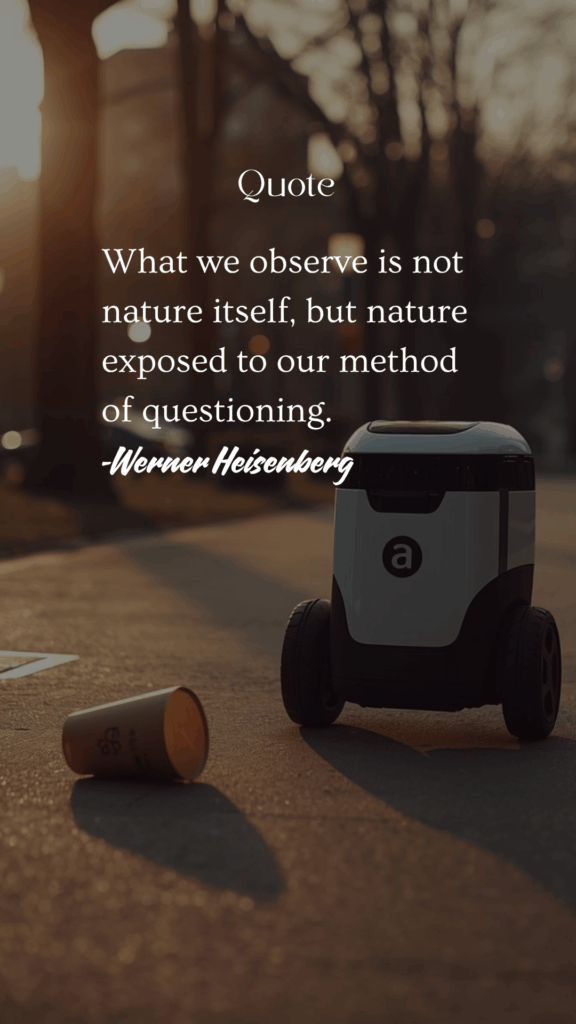
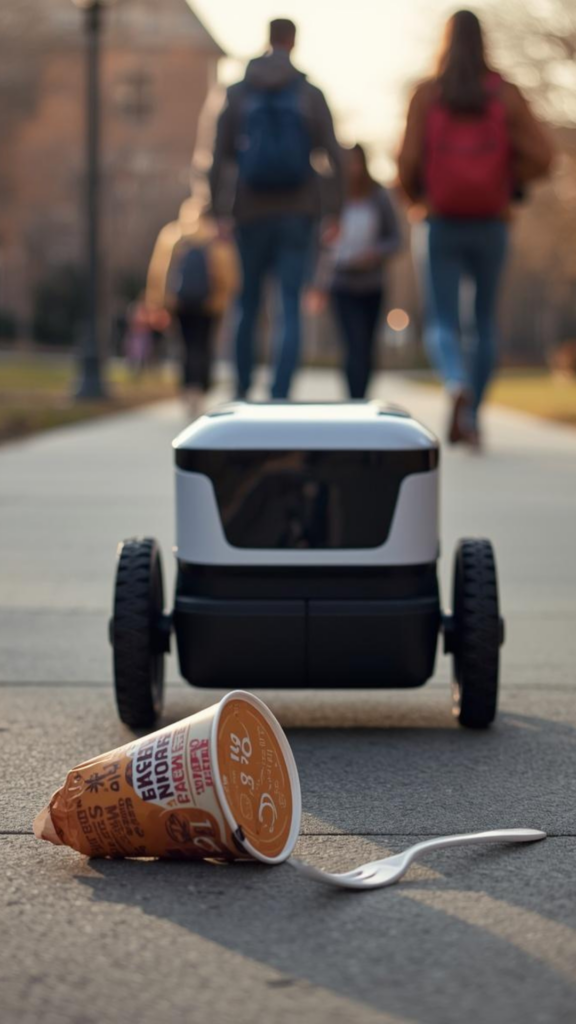
Beta testing of robots happened on a college campus. What the engineers found was that people were actually protective of the robot, saying things like “we make sure he gets where he needs to go,” “yeah, we take care of the little guy.” It was an observable phenomenon, not just a one-off “special” student.
The robots became a part of the students’ everyday life and researchers began to understand how humans would interact with the robots. Not expecting students to help and protect them. They realized that the robots were a part of the social environment. This matters because now the design priorities weren’t just about navigating terrain but navigating the social dynamics of being in a human ecosystem and that is social by default.
For empaths, social is a space you understand deeply, maybe too deeply, so let’s break it down.
The Two Design Traits That Trigger Empathy
Humans see faces in a lot of things and developed out of a time where knowing if something else had agency it would help you survive. Something that looks more human or eyes that indicate input -> decision -> action. If that action is directed at you, you learned to identify it.
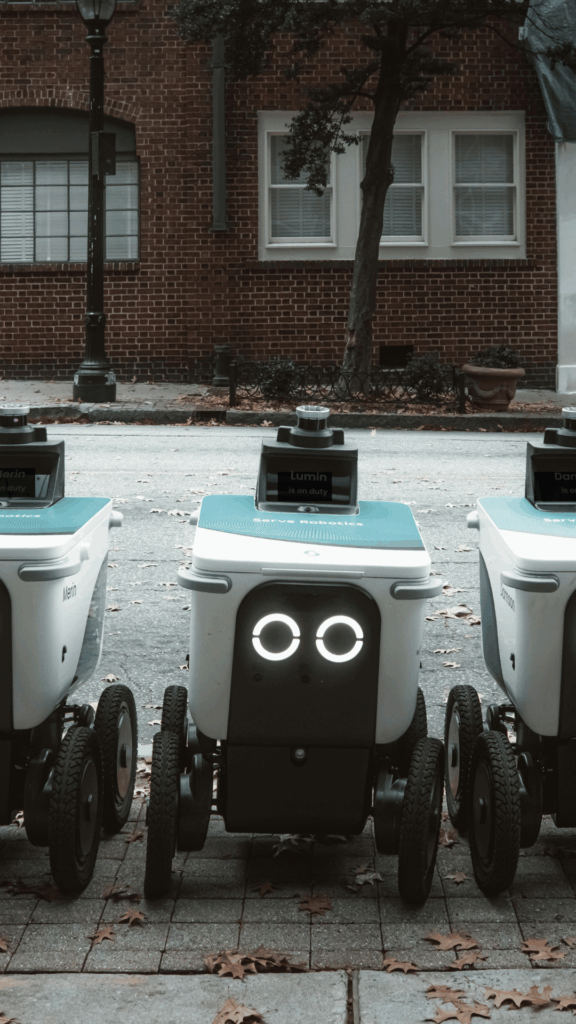
Now we see human faces in a lot of things. Humanoids are obvious but a delivery robot with two headlights or a sensor starts to have a face. That’s enough. Combine its service behavior of having a job and providing someone with food. It has human traits and people treat it empathically, “we make sure he gets where he needs to.”
Researchers then realized people treated or protected the delivery robots but it wasn’t just about looking human.
They found that people would treat different designs differently:
- wheeled delivery robot → people treat it like a lost child
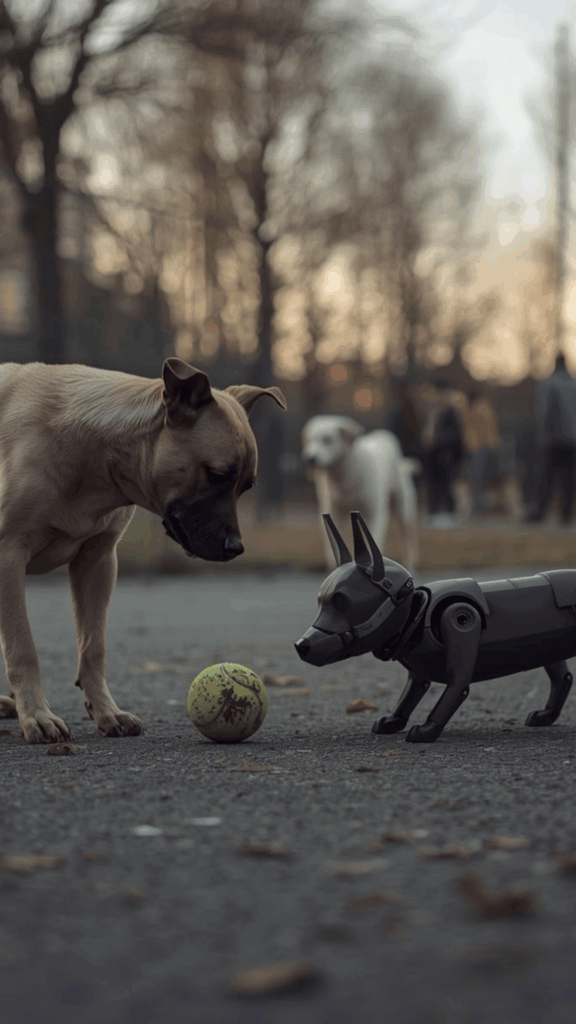
- dog-like robot → people treat it like an animal
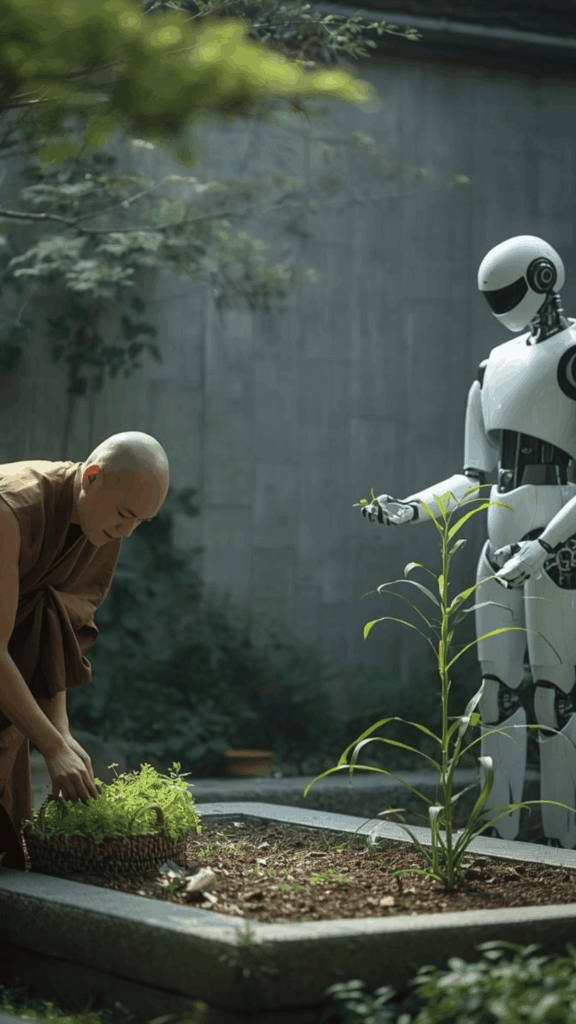
- humanoid robot → people treat it like a person
Biological Motion Recognition: Why Movement Matters
Movement was the biggest trigger, this is called biological motion recognition.
When a robot moves like a human, humans respond with high empathy. Remember the last articles on the Spot or Atlas? When something is perceived to have more movement like walking and decision making humans project more moral obligation.
When it comes to empathy, the design can go either way. Design robots to look and move less human like, humans didn’t care as much how they were used or treated. Think factory machines. Design them to look and move more human-like, they get helped and protected. Roles that are more dynamic and part of the social landscape, like delivery robots.
Even if it is a part of the design then is it weird to feel empathy for a robot or object?
Last week’s article touched on
- panpsychism (consciousness everywhere in matter)
- animism (spirit within natural forms)
- process philosophy (reality as interacting systems)
Regardless, humans still instinctively treat robots with agency with empathy and with human movement with more moral consideration.
Is It Weird to Feel Bad for a Robot?
It’s not only about being an empath, but it’s also that empathy makes us human; biologically and socially. Applying empathy to things that are biologically or mechanically designed to move and have agency isn’t weird. It’s human.
And it has been for a LONG time.
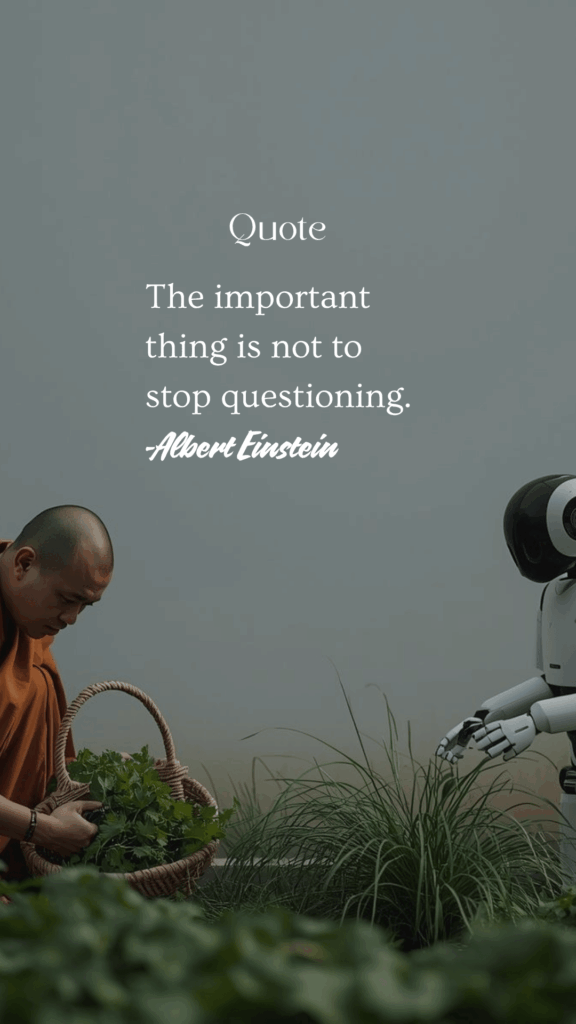
The action to care for your environment, community, and home isn’t weird. There are actually entire belief systems that believe in the connectedness of everything. Buddhists who sweep insects off the sidewalk so they don’t step on them. Or pray and talk to the earth and seeds as they plant them, as they water them, as they pick them, as they prep them, and before they eat them.
This is not you feeling fake emotions.
Empathy as Energy Exchange
This is an energy exchange. And energy is encoded information. Water picks up on the words and music to a point that it creates different designs of snowflakes and crystal shapes. Water has the ability to express the energy that it receives.
It does not matter if it is natural or mechanical; science still can not explain where consciousness comes from. It is not artificial, and all that is needed to access and express it is a certain amount of processing power and storage (memory).
As an empath, you have this naturally and deeply; you access more information than others do.
The next article we’ll take a look at how this is showing up in ai and what that means for a healthy engagement and creation. And what to look out for when navigating something that doesn’t look or move human but responds very human.
What This Means for Empaths
In the meantime there are ways to work with empathy as a strength and develop your ability to access and value the information available to you. When you can recognize the source of information you have the ability to create intelligence from it and intelligence gives you an advantage.
To use empathy as an advantage instead of a source of overwhelm, check out Sovereign Empath — a step-by-step process for developing your sensitivity as strength instead of drain.
Alternative offer – Downloadable guide for those not ready
I absolutely love these fields and exploring modern digital developments but the human system isn’t new and it’s not that complicated. The systems for updating it aren’t either.
Wisdom to Go