Running as Therapy: 27 Years of Health Through Movement
For over 27 years, running has been recognized as a consistent way to maintain balance. Early running experiences began with a simple path at the edge of an orchard, instinctively seeking movement before the language for healing even existed. Running therapy has supported a consistent space for balancing movement with joy
This article explores how running supports daily well-being, aids in trauma recovery, and serves as a therapeutic practice for those seeking to move their healing journeys forward.

Running as Therapy
Running can be a powerful form of therapy — accessible, low-cost, and always there when nothing else is. You don’t need a gym membership, expensive gear, or even a structured plan. Just your body, your breath, and enough space to move what’s stuck inside.
For over 27 years, running has been one of the most consistent tools in my healing journey. I started when I was ten. What I did have was a cleared path at the edge of an orchard and the instinct to run until something felt different.
You don’t need to run far or fast to receive the benefits. Sometimes, it’s simply about letting your body hold what your mind can’t process. Running lets you move emotion — rage, grief, anxiety, even numbness — without needing to explain it to anyone. It’s not about performance. It’s about presence.
Whether you’re navigating trauma, trying to reconnect to your body, or just looking for something to quiet the noise — running might be the ritual that meets you where you are.
There was a strip of grass at the edge of our land — a long, narrow line between the orchard and our property. That’s where I ran. Not to process feelings or calm my mind. Running created an early pathway toward opportunity and growth—providing motivation to train hard and dream bigger through disciplined action.
There were no maybes. No hoping. Just a certainty: if I ran harder, trained longer, pushed myself further than anyone else — I could get a scholarship.
Running wasn’t a release. It was a strategy for success.
I didn’t have fancy shoes. I didn’t have a measured distance. It wasn’t even paved — and it didn’t matter. It made me feel better, and it gave me hope.

Running Provided Hope and Self Worth
After I destroyed my knee and was put in a brace from ankle to groin, it was tough. The injury forced me to stop running, stop sports altogether, and slow down in a way I did not want to.
I quickly realized what running – and sports in general – had been giving me. Sports allowed me an active social life. It was a language that built fun and healthy relationships.
The Identity Loss of Injury
During recovery from injury, priorities shifted dramatically. Without access to many previous activities, movement remained a key stabilizing force.
Rather than focusing on competition or performance metrics, running evolved into a daily ritual for maintaining balance, regulating energy, and honoring the body’s healing capacity.
Movement became an accessible, resilient form of therapy—low cost, highly adaptable, and empowering. Whether through walking, jogging, or structured training, forward motion provided a space for physical and emotional recalibration.
Healing journeys often involve rediscovering personal identity beyond external achievements.
- What has given you a sense of value or identity in the past?
- How has that shifted over time?
- Are there rituals you return to that support who you are becoming?

Running Therapy for Trauma
Like many healing practices, forward motion through running often revealed unspoken layers of anger, sorrow, and release. Emotional walls softened through rhythm and breath, giving way to lighter steps and a more balanced state by the end of each journey.
Movement remains a profound tool for emotional regulation, not by forcing change, but by offering a pathway for emotions to find resolution through the body’s innate intelligence.
A Little Science
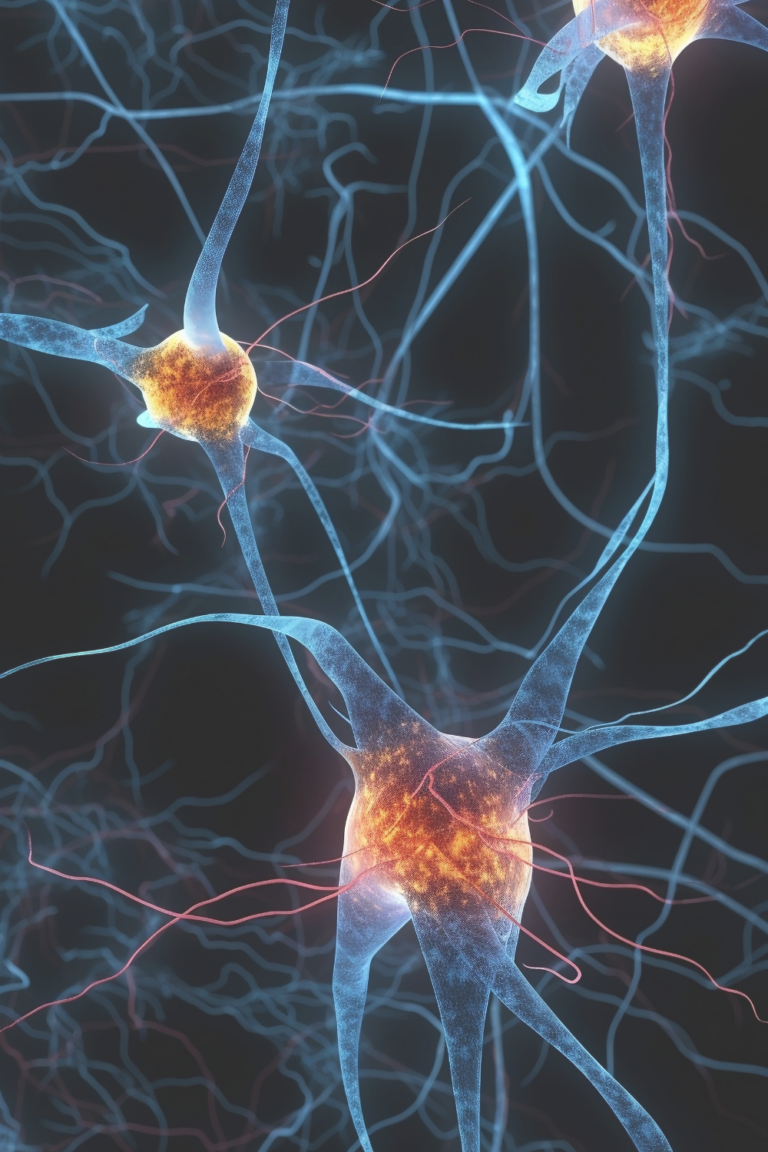
Endorphins are a feel-good chemical your body releases during exercise. They’re carried across brain filaments to neuroreceptors, which is the biochemical basis of that “natural high” people talk about after a workout.
There’s a short animation I once saw that shows endorphins moving through the brain. It looked… happy. Just this little chemical bobbing down a filament like it was on a joyful trot. I smile every time I think about it.
While movement doesn’t erase life’s challenges, it provides a physical outlet for emotional processing, a space for somatic release, and a natural chemical boost that supports resilience and recovery.
- Have you ever noticed how your body responds when you move through strong emotions?
- What physical practices help you express grief, anger, or sadness?
- Do you notice a shift – emotional or chemical – after movement?

Getting Started with Running Therapy
Starting something new can feel overwhelming and intimidating, but it doesn’t have to be. Running therapy doesn’t require fancy gear, a track, or even a park. You can begin as simply as walking your block. Maybe you jog one block out and walk back. If that’s where you are, start there.
Starting small is enough. For many new runners, that might mean walking or jogging laps around a familiar space — a field, a stretch of sidewalk, or a loop around an apartment building. Every step counts toward building endurance and reclaiming movement.
The internet can be a surprisingly powerful tool when used with intention. Where your attention goes, your energy flows — and if you’re beginning a running practice, I encourage you to flood your feed with content that supports that goal.
Follow runners who share their stories. Find reels that motivate you. Save running quotes that speak to something deeper in you. Watching someone else heal can stir something healing in you, too.
Here’s one account I recommend:
Cassie has documented a three-year running journey that began with block-length runs. She openly shares clips from her early days, along with the health challenges she overcame. Her story is a powerful reminder of what’s possible — one step at a time.